
The biggest mistakes businesses make after receiving a demand letter are ignoring it, responding emotionally, admitting fault, or taking action without understanding the legal consequences. Although a demand letter differs from a civil lawsuit, it frequently serves as the last warning before legal action, and missteps at this point can materially increase risk, expense, and loss of negotiating power.
In this article, we’ll explore the biggest mistakes businesses make after receiving a demand letter and how seemingly harmless actions can be used against your business and create unnecessary costs down the line. We’ll then discuss the safest first steps to take after receiving a letter of demand, the risks involved in responding without legal guidance, and how to preserve control before a dispute turns into litigation.
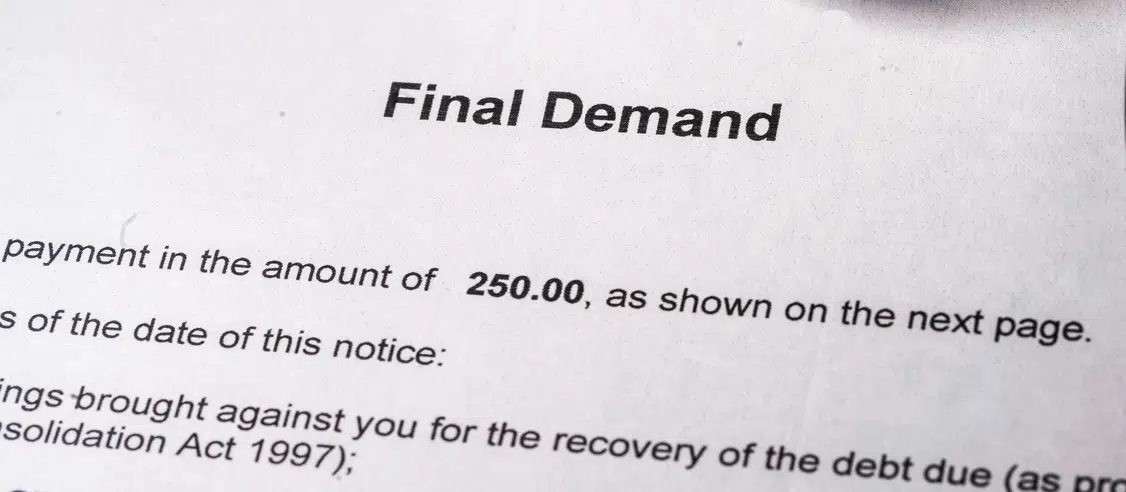
The Biggest Mistake: Ignoring a Demand Letter
Ignoring a demand letter is the fastest way to escalate a dispute into a lawsuit.
It’s the most tempting reaction: file the letter in the trash and hope the problem vanishes. But ignoring a demand letter is the single biggest mistake you can make. In practice, silence isn’t seen as a denial; it’s interpreted as a refusal to engage. This sends a clear signal to the sender that their only remaining option is to file a lawsuit, immediately escalating the situation.
Consider a freelance web developer who gets a demand from a client claiming a site is unfinished. Believing the claim is absurd, the developer ignores it. Two months later, they are served with a lawsuit. They lost the chance to resolve the dispute with a simple email and now face a more stressful, public court process, which highlights the severe consequences of ignoring a demand letter.
By not responding, you forfeit control. You lose the valuable opportunity to negotiate a resolution on your own terms, which is often faster and cheaper. Worse, if the dispute does go to court, a judge may view your silence as unreasonable, putting you on the back foot from the very start.
Consequences of ignoring a demand letter include:
- Loss of opportunity to resolve the dispute informally
- Increased legal costs once litigation begins
- Reduced leverage in negotiations
- Potential negative inferences if the dispute reaches court
What could have been resolved through controlled communication often becomes a public, expensive legal proceeding simply because no response was made.
The Hidden Dangers of an Angry Email or Phone Call
The urge to immediately defend yourself is powerful, yet responding with an angry email or phone call can worsen your legal standing. When you’re accused of something unfairly, it’s natural to want to fire off an email listing all the reasons the other party is wrong. Before you hit send, understand this: that email is not a private conversation. It can become “Exhibit A” in a lawsuit, where every word you wrote in anger can be read aloud, often stripped of its original context.
Beyond creating evidence, an emotional response slams the door on a simple solution. It instantly escalates a business disagreement into a personal fight. Once pride and anger are involved on both sides, the chances of finding a quick, low-cost compromise plummet. You lose the high ground and give up your ability to handle the situation calmly and professionally.
Even a helpful, well-meaning explanation can be a minefield. In your effort to clarify the situation, you might accidentally reveal information that strengthens their argument or inadvertently admit to a small piece of the problem. A simple “sorry for the delay” can be twisted into an admission of fault. The safest immediate response isn’t about proving you’re right; it’s about not giving them any ammunition and taking the opportunity to develop a legal strategy in case the dispute escalates into a business lawsuit.
Why Apologies and Over-Explaining Backfire
After receiving a demand letter, resist the initial urge to apologize or provide an explanation. It’s a natural impulse to want to smooth things over. A polite “I’m sorry you had this experience” seems like a harmless, decent thing to say. In the legal world, however, those words can be reframed as an admission of fault. The other side’s attorney can argue that your apology is proof you believe you were in the wrong, using your own good intentions against you.
Similarly, the urge to provide a detailed, point-by-point explanation of your side of the story is risky. By laying out all your facts and reasons right away, you lock yourself into a specific narrative before you’ve had a chance to fully review the situation. This early account can be picked apart for minor inconsistencies later on, weakening your position before you even begin.
The safest path is neutral and non-committal. A simple, written acknowledgement like, “We have received your letter dated [Date] and are reviewing the matter,” is enough. It confirms you got the letter without admitting, denying, or explaining anything. Just like an apology, another seemingly helpful gesture can create an even bigger and more expensive trap.
The Hidden Trap: How a Small Payment Can Revive a Dead Debt
Making a small payment is one of the biggest mistakes businesses make after receiving a demand letter. This trap is especially dangerous when the demand is for an older debt. You might not realize it, but most debts have a legal time limit, often called the statute of limitations. After a certain number of years pass without any payment activity, a creditor loses their right to sue you. While they can still ask for the money, their ability to use the courts to force you to pay is gone.
Here’s the catch: making even a tiny payment can restart that clock. A collector might pressure you to “just pay $25 to show good faith.” If you do, that single action can reset the statute of limitations on the entire debt. The clock that had nearly run out is now back at year zero, giving them several more years to legally pursue you in court for the full amount.
Because of this, you should never make a payment for an old debt until you know its legal status. That seemingly small gesture could be the most expensive mistake you make. Instead of reacting with your wallet, it’s critical to pause and learn the one safe first step.
What Should You Do Instead? The Safest First Steps
So, what’s the next step after a demand letter? Instead of reacting, your first step should be to pause. Find the deadline mentioned in the letter and gather any related emails, contracts, or records. A proper response begins not with writing, but with quiet preparation. This simple act of pausing puts you back in control of the situation.
Many people worry that a lawyer will escalate the fight, but the opposite is often true. An attorney acts as a dispassionate shield, preventing emotional responses from making matters worse. The reason to hire a lawyer is for this de-escalation; they know how to communicate strategically to protect your rights without admitting fault.
This move doesn’t have to mean a massive legal bill. For a flat fee, an attorney can often draft a single, effective letter that resolves the issue entirely. It’s the smartest way to protect your interests.
Your 3-Step Action Plan for Responding to a Demand Letter
The initial panic from a demand letter no longer needs to dictate your next move. You now understand that avoiding critical response mistakes isn’t about having the perfect words, but having the right process.
Your plan is simple:
- Stop: Take a breath. Do not call, email, or reply.
- Collect: Gather every related document—contracts, emails, invoices.
- Consult: Have a professional review everything before the deadline.
This strategy shifts you from a position of defense to one of control, ensuring you are prepared for disputing a claim.
Frequently Asked Questions About Demand Letters
There is no universal legal deadline to respond to a demand letter unless the letter itself specifies one. However, many demand letters include a response deadline, often ranging from 7 to 30 days. Ignoring that deadline increases the risk that the sender will file a lawsuit. Even if the deadline is arbitrary, it should be taken seriously.
You are not legally required to respond to every demand letter, but failing to respond is often a strategic mistake. Silence can prompt litigation and eliminate opportunities to resolve the dispute early. In most cases, some form of response—crafted carefully and strategically—is advisable.
You are not required to have a lawyer respond, but having one can significantly reduce risk. Attorneys know how to acknowledge a claim without admitting liability, preserve defenses, and avoid language that can later be used against you. For businesses, even a single misstep in a written response can be costly.
The safest response is typically brief, neutral, and strategic. At a minimum, it should acknowledge receipt of the letter without admitting fault or providing detailed explanations. In many cases, the most effective response is one prepared or reviewed by a business litigation attorney who can assess the claim, identify risks, and determine whether negotiation, denial, or silence is the best course of action.