Skip to content

When a Contract Breach Becomes a Lawsuit—and When It Shouldn’t

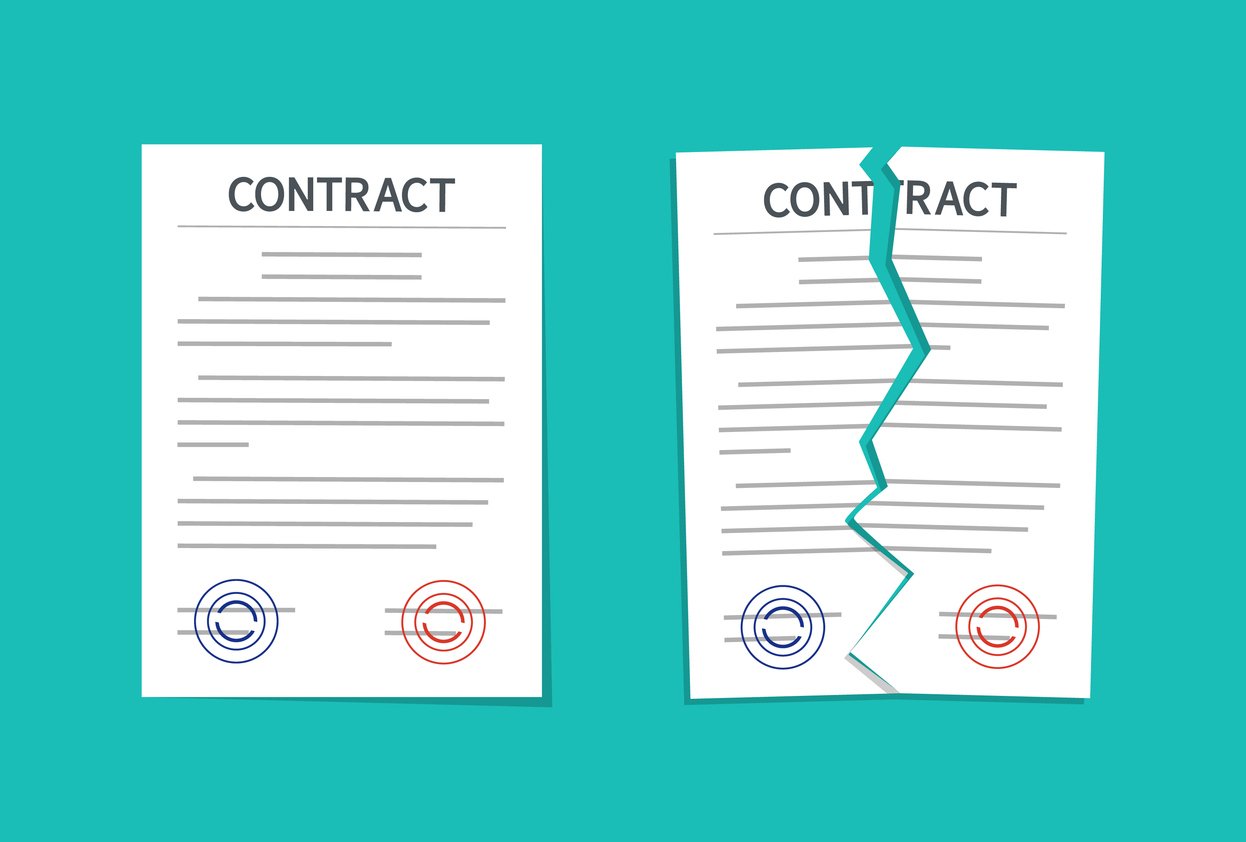
A breach of contract is one of the most common legal issues businesses encounter. Nevertheless, not every breach should result in a lawsuit. For business owners, executives, and in-house decision-makers, the critical question is not… 

How Civil Litigation Works in California: A Business Overview

Civil litigation is the formal legal process used to resolve disputes between businesses, individuals, or organizations through the court system. For business owners, executives, and in-house decision-makers, understanding what civil litigation is, how it works,… 

The Biggest Mistakes Businesses Make After Receiving a Demand Letter

The biggest mistakes businesses make after receiving a demand letter are ignoring it, responding emotionally, admitting fault, or taking action without understanding the legal consequences. Although a demand letter differs from a civil lawsuit, it… 

What Is a Registered Agent for an LLC?

A registered agent serves as the official point of contact between your Limited Liability Company (LLC) and the state. The primary duty of registered agents is to receive service of process, which includes legal documents,… 

Is an LLC a Business License?

Although these terms are sometimes used interchangeably, forming a Limited Liability Company (LLC) and obtaining a business license denote fundamentally different concepts in the realm of business law. A Limited Liability Company (LLC) is a… 

What Is an LLC? A Complete Guide to Limited Liability Companies

An LLC, or Limited Liability Company, is a flexible legal business structure that combines limited liability protection with the pass-through taxation benefits of a partnership or sole proprietorship. It protects the personal assets of its… 

Limited Liability Partnerships (LLPs) Explained

When launching a new business, choosing the right structure is often the first step. A Limited Liability Partnership (LLP) is a hybrid entity that blends the operational flexibility of a partnership with liability protections typically… 

S Corp vs Sole Proprietorship: Key Differences

Choosing the right business structure is one of the most important decisions an entrepreneur can make. When evaluating S Corp vs Sole Proprietorship, business owners must weigh issues such as taxes, liability exposure, administrative complexity,… 

Skip to content