
Skip to content

Why Trial-Ready Businesses Negotiate from Strength

For businesses, having a trial-ready litigation strategy is not about pursuing courtroom battles at all costs. It is about leverage. In commercial disputes, outcomes are shaped long before a case reaches a courtroom, often during… 

Partnership and Shareholder Disputes: Early Warning Signs

Partnership and shareholder disputes rarely begin as major legal battles. They usually start as subtle changes in communication, financial transparency, or decision-making authority between business owners. Understanding the signs of business ownership disputes allows businesses… 

Why Strong Contracts Still End Up in Court

Many business owners assume that a carefully drafted contract is the best protection against future disputes. While strong contracts are essential, experience shows that even well-written business contracts can still lead to litigation. In this… 

When a Contract Breach Becomes a Lawsuit—and When It Shouldn’t

A breach of contract is one of the most common legal issues businesses encounter. Nevertheless, not every breach should result in a lawsuit. For business owners, executives, and in-house decision-makers, the critical question is not… 

How Civil Litigation Works in California: A Business Overview

Civil litigation is the formal legal process used to resolve disputes between businesses, individuals, or organizations through the court system. For business owners, executives, and in-house decision-makers, understanding what civil litigation is, how it works,… 

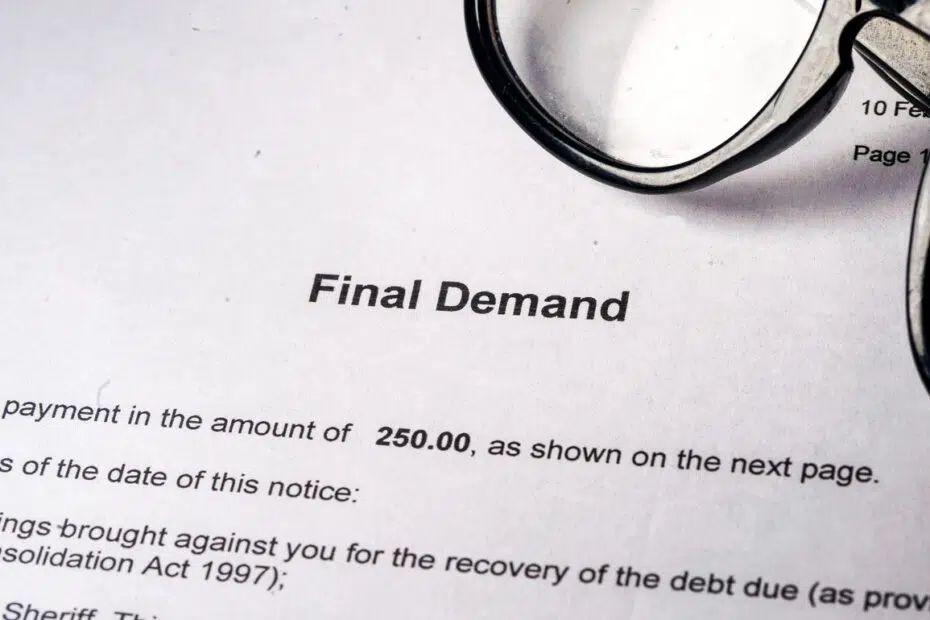
The Biggest Mistakes Businesses Make After Receiving a Demand Letter

The biggest mistakes businesses make after receiving a demand letter are ignoring it, responding emotionally, admitting fault, or taking action without understanding the legal consequences. Although a demand letter differs from a civil lawsuit, it… 

Skip to content